
Holding accounts in foreign banks can bring certain benefits, but it can also require close attention to tax rules in the United States. If you do not follow these rules, you may face trouble from the IRS.
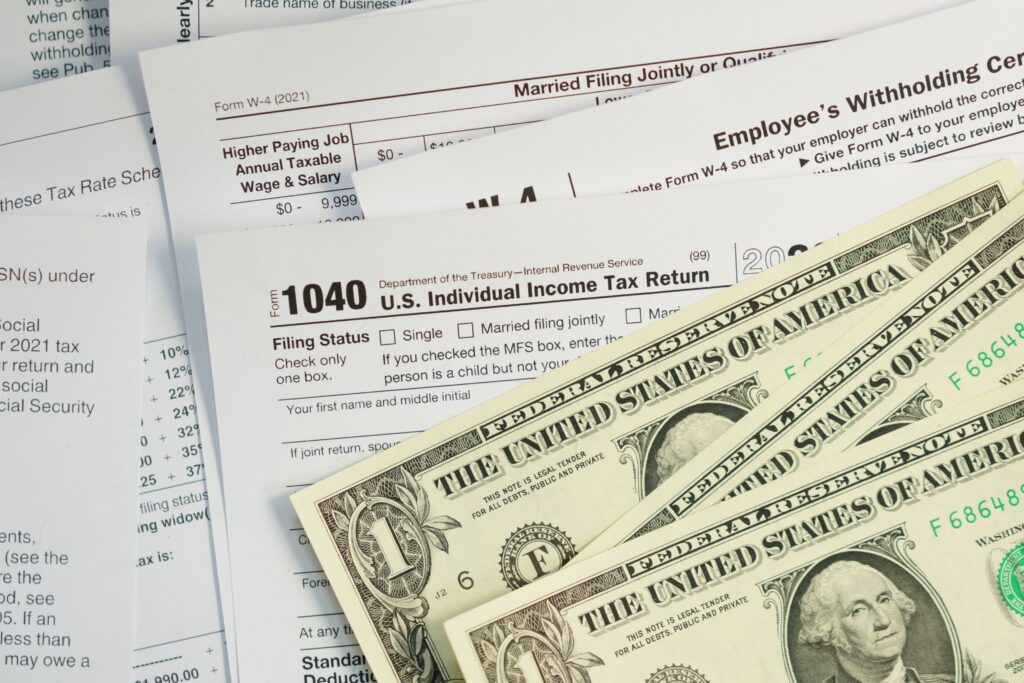
Many people with offshore accounts think that as long as they pay their taxes in one country, they do not need to worry about U.S. tax rules. This can lead to serious problems later.
If you have an offshore account and want to avoid making common mistakes, consider speaking with our New York tax attorneys at Thorgood Law Firm. We can help you understand what you need to do and can advise you on how to respond if you receive a notice from the IRS.
Your obligation to report offshore accounts includes accounts that you simply have signature authority over and no financial interest. That is, as long as you have signature authority over an offshore account, you have reporting obligations. This may also include accounts where you don’t have ownership interests, such as when your signature authority derives only from being a corporate official.
Do not wait until the problem grows. Call today for a free consultation with our New York tax attorneys at Thorgood Law Firm.
What Happens If You Ignore Offshore Account Reporting?
Some people think that if the IRS does not ask about their foreign accounts, they do not need to say anything. This can be a costly mistake. Ignoring your duty to report offshore accounts may lead to large penalties that grow every year.
The IRS has many tools for finding out about unreported foreign money, such as information shared by foreign banks and financial institutions through international agreements. Under laws like the Foreign Account Tax Compliance Act (FATCA), many banks outside the United States report details about accounts held by U.S. taxpayers. This cooperation allows the IRS to learn about accounts that might otherwise remain hidden, helping them identify unreported balances, interest, dividends, and other taxable earnings. If the IRS discovers your account before you come forward, you may lose the chance to take advantage of special programs or to fix the problem on your own terms.
Beyond penalties, ignoring the rules can place you at risk if the IRS believes you acted on purpose. In serious cases, there could be criminal charges. Not everyone who makes a mistake faces criminal problems, but if the IRS thinks that you knew about the rules and chose not to follow them, you may face much worse troubles.
This makes it important to correct mistakes early. Do not assume that the IRS will never find out about your foreign accounts. Instead, consider talking to our New York tax attorneys at Thorgood Law Firm to learn how you can correct any past errors and stay compliant going forward.
Is Failing to File FBAR a Common Mistake?
One mistake offshore account holders often make is not filing the Foreign Bank Account Report (FBAR). The FBAR form, which is called FinCEN Form 114, must be filed if the total value of all your foreign financial accounts goes beyond a certain amount at any point (even intraday) in the calendar year. Many people with offshore accounts do not realize they must file this form, or they think it only applies to large balances. Even if you have several small accounts whose combined value passes the threshold, you must file.
Can Misreporting Income from Foreign Accounts Be a Problem?
Offshore accounts often earn interest or dividends, and sometimes, you may receive income from foreign property or business interests. Many people forget to include these amounts on their U.S. tax returns. They might think that since the money never touched U.S. soil, it is not taxable here. That is not true. U.S. taxpayers must report and pay tax on their worldwide income. Failing to do so can lead to extra taxes, interest, and penalties down the line.
If you have income from a foreign source, not reporting it is risky. Even if it is a small amount, the IRS can still penalize you if it discovers the error.
Sometimes, foreign banks send reports to the IRS, or the IRS might learn about your income through other channels. If you do not report this income, you are leaving yourself open to problems.
Our New York tax attorneys at Thorgood Law Firm can help you understand what counts as reportable income, how to convert foreign currency to U.S. dollars for tax purposes, and where to report that income on your return. Taking these steps can keep you in good standing with the IRS.
Can Misunderstanding Foreign Trusts and Entities Cause Trouble?
Owning or benefiting from a foreign trust, corporation, or partnership can add another layer of reporting duties. Many people do not realize that if they have interests in these foreign entities, they may need to file separate forms, such as Form 3520 for foreign trusts or Form 5471 for certain foreign corporations. Missing these forms can lead to major penalties. It also can draw more attention from the IRS, who might question why you did not disclose these interests.
Many offshore account holders misunderstand these rules or believe they do not apply. That can be a serious error. Even if you are a minority shareholder in a foreign company, you may have to report it on your U.S. tax return.
Understanding these requirements can be difficult, especially if you are also dealing with foreign laws. Our New York tax attorneys at Thorgood Law Firm can review your situation and help you decide which forms you need to file. By taking the time to understand these rules and follow them, you can avoid costly penalties and other IRS actions.
What if You Are Already Under IRS Review?
If you have received a letter from the IRS asking about your offshore accounts, do not panic. You still have options.
The worst thing to do is ignore the letter. Contact our New York tax attorneys at Thorgood Law Firm as soon as possible. We can help you understand what the IRS wants, what your rights are, and how to respond. Even if the IRS has already begun to look into your accounts, the right steps now can help limit the damage.
Call Our New York Tax Attorneys at Thorgood Law Firm Today
If you are not sure whether you have followed all offshore compliance rules or if you know you made mistakes in the past, do not wait to get help. Contact our New York tax attorneys at Thorgood Law Firm. We assist clients in New York and across the United States with a full range of tax matters. This includes advising on foreign account reporting, responding to IRS notices, and helping clients correct past errors before the IRS takes action.
At Thorgood Law Firm, our New York tax attorneys offer a free initial consultation. During this meeting, you can explain your situation and learn what steps might help you fix the problem. From that point on, you will work directly with a lawyer who understands the rules and cares about your success. Our attorneys have helped clients for over two decades. We know how stressful these issues can be, and we stand ready to guide you through each step of the process.
Visit us at 100 Park Avenue, 16th Floor, New York, NY 10017, or call (212) 490-0704 or (212) 202-3879. Our New York tax attorneys at Thorgood Law Firm are here to help you follow the rules, fix any past mistakes, and stay on track for the future. Take the first step by reaching out today for your free consultation and gain the comfort of knowing that you have legal counsel working on your behalf.
Frequently Asked Questions About Offshore Account Reporting
Who must file an FBAR?
A United States person generally must file an FBAR if the person has a financial interest in, signature authority over, or other authority over one or more foreign financial accounts and the combined value of all reportable foreign accounts exceeds $10,000 at any time during the calendar year.
What is the FBAR filing threshold?
The FBAR threshold is more than $10,000 in aggregate value at any point during the calendar year. The threshold applies to the combined value of all reportable foreign accounts, not to each account separately.
What types of foreign accounts must be reported on an FBAR?
Reportable accounts may include foreign bank accounts, brokerage accounts, securities accounts, certain mutual funds, commodity accounts, and other financial accounts maintained outside the United States. Whether a particular asset or arrangement is reportable depends on its legal and financial characteristics.
Do I have to file an FBAR if I only have signature authority?
Possibly. A United States person may have an FBAR filing obligation based solely on signature or other authority over a foreign financial account, even without an ownership interest in the funds. Certain limited exceptions may apply to qualifying officers and employees of specified entities.
Does an officer of a company have to report the company’s foreign accounts?
An officer or employee who can control the disposition of funds in a foreign account may have signature or other authority and therefore may have an FBAR obligation. However, regulatory exceptions may apply to certain officers and employees when the employer or related entity satisfies specified filing requirements.
What is signature authority for FBAR purposes?
Signature or other authority generally exists when a person can control the disposition of money or other assets in a foreign financial account through direct communication with the financial institution maintaining the account.
Is the FBAR filed with my federal income-tax return?
No. FinCEN Form 114 is filed electronically with the Financial Crimes Enforcement Network through the BSA E-Filing System. It is separate from the taxpayer’s federal income-tax return.
When is the FBAR due?
The FBAR is generally due on April 15 following the calendar year being reported. An automatic extension to October 15 generally applies without the need to file a separate extension request.
What is Form 8938?
Form 8938, Statement of Specified Foreign Financial Assets, is an IRS form filed with the federal income-tax return by certain taxpayers whose specified foreign financial assets exceed the applicable reporting threshold.
Are FBAR and Form 8938 the same?
No. They are separate reporting requirements imposed under different laws. The FBAR is filed with FinCEN, while Form 8938 is filed with the IRS as part of the income-tax return. A taxpayer may be required to file both forms for the same foreign account.
Does having signature authority require filing Form 8938?
Not necessarily. Form 8938 generally focuses on specified foreign financial assets in which the taxpayer has an interest. Signature authority alone, without a financial interest, generally does not create the same Form 8938 obligation that it may create under the FBAR rules.
Do U.S. taxpayers have to report income earned in foreign accounts?
Yes. U.S. citizens and resident taxpayers generally must report worldwide income, including interest, dividends, capital gains, rental income, and other income earned through foreign accounts or assets.
Is foreign income taxable if it remains outside the United States?
Yes. Income generally does not escape U.S. taxation merely because it remains in a foreign bank account or is never transferred to the United States.
Does paying tax in another country eliminate U.S. tax?
Not necessarily. A U.S. taxpayer may still have a federal reporting and tax obligation. A foreign tax credit, deduction, treaty provision, or other rule may reduce double taxation, but the income must generally still be reported properly.
How does the IRS learn about offshore accounts?
Under FATCA and related intergovernmental agreements, many foreign financial institutions provide information about accounts held by U.S. taxpayers or certain foreign entities with substantial U.S. ownership. The IRS may also obtain information through examinations, summonses, treaty requests, whistleblowers, and other enforcement tools.
What penalties apply for failing to file an FBAR?
Civil penalties may apply for nonwillful or willful FBAR violations, depending on the facts. Willful violations can produce significantly greater penalties and may also expose the taxpayer to criminal investigation in serious cases.
Can an FBAR violation result in criminal charges?
Yes. Willful failure to file an FBAR, filing a false FBAR, tax evasion, filing false tax returns, and related conduct may result in criminal prosecution when the government can prove the required intent.
What foreign trust transactions must be reported?
U.S. persons may need to file Form 3520 to report certain transactions with foreign trusts, ownership of a foreign trust under the grantor-trust rules, distributions from a foreign trust, or certain large gifts and bequests from foreign persons.
What is Form 3520-A?
Form 3520-A is generally an annual information return for a foreign trust with at least one U.S. owner. It reports information about the trust, its U.S. owners, and its U.S. beneficiaries.
Who must file Form 5471?
Certain U.S. citizens and residents who are officers, directors, or shareholders of specified foreign corporations may be required to file Form 5471 and its applicable schedules.
Are foreign partnerships subject to separate reporting?
Yes. Certain U.S. persons with ownership interests, control, or reportable transactions involving foreign partnerships may need to file Form 8865.
Do foreign mutual funds create additional reporting obligations?
Potentially. Shares of many foreign mutual funds and similar investment companies may be treated as interests in passive foreign investment companies, or PFICs. This may require Form 8621 and can result in complex tax calculations.
Can I correct an unfiled FBAR before the IRS contacts me?
Potentially. The available procedure depends on whether all income was reported, whether tax is due, whether the conduct was willful, and whether the IRS has already initiated an examination or investigation. Options may include delinquent FBAR procedures, streamlined filing procedures, an amended return process, or the IRS voluntary disclosure practice.
What are the streamlined filing compliance procedures?
The streamlined procedures may be available to qualifying taxpayers whose failure to report foreign financial assets and pay all required tax resulted from nonwillful conduct. Eligibility and submission requirements differ for taxpayers residing inside and outside the United States.
What does nonwillful conduct mean?
For purposes of the streamlined procedures, nonwillful conduct generally means conduct resulting from negligence, inadvertence, mistake, or a good-faith misunderstanding of the law.
Should I file delinquent FBARs before speaking with an attorney?
Not necessarily. Filing delinquent forms without first evaluating potential willfulness, unreported income, criminal exposure, and the available compliance procedures can create additional risks. A confidential consultation with an experienced tax attorney should generally occur before making a submission.
When should I contact an offshore-account tax attorney?
You should seek legal advice promptly if you have unreported foreign accounts, missing FBARs, omitted foreign income, interests in foreign trusts or entities, a FATCA notice, an IRS examination, or concerns that prior conduct could be viewed as willful.