
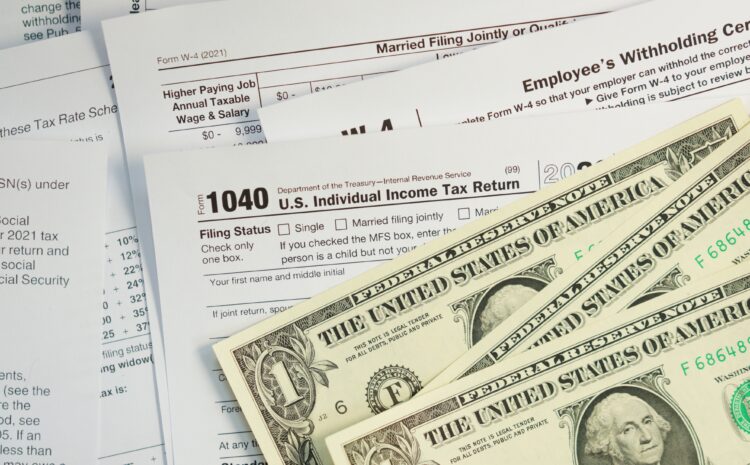
The IRS has a wide variety of tools that it can use to enforce tax laws. The agency can assess a penalty if you have failed to file your tax return on time, which can increase the amount of money that you owe. If the IRS believes that the failure to file was willful, the agency can even pursue criminal charges against you. If you are facing IRS questions about why you may not have filed your tax return in time, you should contact an experienced New York tax defense attorney. How you handle these questions can play an important role in how the situation is resolved.
The Internal Revenue Code Also Has Criminal Laws
The Internal Revenue Code serves multiple roles. At the forefront, the IRC prescribes rules that govern your tax return. These rules include things like filing deadlines, deductions, and tax rates. The IRS has many ways that it can enforce these rules. One of the most common ways that the agency will take action is through imposing penalties. If you do not file your return by the deadline, the IRS imposes a failure to file penalty of .5 percent per month as well as interest on any past due amount.
The Internal Revenue Code also “gets teeth” from criminal laws that are contained in it. The IRS can seek criminal charges for things like tax evasion and fraud. Under 26 USC 7203, the failure to file a tax return can be a criminal offense. This crime is charged as a misdemeanor, and a conviction can lead to up to a year in prison and a fine of up to $25,000 for an individual.
If You Do Not File on Time, It Is Not Always a Crime
Not every failure to file your return in time will automatically be prosecuted as a crime. The statute has important qualifiers that limit criminal prosecutions to certain circumstances. The key word is that you must have “willfully” failed to file your tax return, meaning that you knew about the obligation and you intentionally did not follow it. Like any other criminal statute, “willful” implies conscious behavior that one took to violate a law.
When it comes to tax law, the Supreme Court has laid out the standard for what is considered to be willful violations of tax law. Specifically, in order for something to be willful, the following must be present:
- A person knew that they had a legal obligation to file a tax return
- Knowing their obligation, the person intentionally failed to comply with it
When the IRS criminally charges you with failure to file, the prosecutor has the obligation to prove their case against you beyond a reasonable doubt. They need to come up with evidence that shows that you failed to file willfully and overcome any defenses that you have.
Defenses to Failure to File Criminal Charges
Merely not filing your tax return on time is not enough for your circumstances to rise to the level of a criminal violation. There are many instances in which a failure to file a return can lead to a penalty, but it is not criminal in nature. These circumstances may include:
- The failure to file was negligent or careless
- There were extenuating circumstances that kept you from filing a tax return
- You did not understand your obligations under the law
- You were facing financial hardship, and that was the reason why you did not file
- You were incapacitated at the time you were supposed to file a tax return
It is relatively rare for the IRS to prosecute an individual taxpayer under this law, but it has happened on occasion. The agency may not pursue criminal charges for a one-time failure to file an income tax return. You can expect more likely consequences if there is a repeated failure to file returns.
The IRS does not have the authority to prosecute you on its own. Instead, the agency will make a criminal referral to a prosecutor at the Department of Justice. They will review the facts of a case to determine whether to move forward and seek an indictment under federal tax laws. However, if the IRS makes a recommendation for an indictment, it is likely that it will result in criminal charges.
You Must Take Action Before the IRS Takes Action Against You
If you have failed to file a tax return, you must be proactive to get back into compliance with the law. Your tax issues are not going to go away on their own. The IRS will take action against you at some point in the future, even if it has not done so to date. If you are not filing because you owe money, there are options available to you that can improve your situation. For example, you can agree to an installment plan with the IRS, or you may even make an offer in compromise. However, the IRS will not even begin to work with you until you are current on all of your tax returns. The best thing that you can do to begin to get a handle on your tax problems is to contact an experienced tax lawyer who can communicate with the IRS on your behalf. If you come forward on your own, it may make criminal charges less likely.
Contact a New York Tax Lawyer
If you are behind on your tax returns or if you are facing criminal charges for a failure to file your returns, you need immediate legal help. The experienced New York tax lawyers at the Thorgood Law Firm can work with you as you either seek to defend yourself against charges or work through a difficult tax situation. Schedule a free initial consultation with one of our New York tax attorneys by messaging us online or by calling us today at (212) 490-0704. Do not wait for the IRS to take strong legal action against you.
Frequently Asked Questions
- When do unfiled tax returns become a criminal issue?
Most cases involving unfiled tax returns start as civil tax matters, not criminal ones. The IRS usually begins by sending notices and attempting to assess the missing tax. In many situations, the IRS will simply request that the taxpayer file the missing returns and pay the tax due.
However, the situation can become much more serious when the IRS believes the failure to file was intentional or part of a broader effort to avoid paying taxes. When that happens, the case may be referred to the IRS Criminal Investigation Division (IRS-CI).
If you are in New York and believe your situation could involve criminal exposure, speaking with a criminal tax attorney in NYC as early as possible can help you understand your risks and options.
- What criminal charges can arise from unfiled tax returns?
The most common criminal charge involving unfiled tax returns is Failure to File a Tax Return under Internal Revenue Code §7203. This offense is typically a misdemeanor and may carry penalties of up to one year in prison for each year not filed, along with significant fines.
In more serious situations, federal prosecutors may pursue felony charges such as:
- Tax Evasion (IRC §7201)
- Filing False Tax Returns (IRC §7206)
- Conspiracy to Defraud the United States
These cases often arise when there is evidence that a taxpayer attempted to hide income, mislead the IRS, or conceal assets.
A criminal tax attorney in New York City can evaluate whether the facts of a case present criminal exposure or whether the matter is likely to remain civil.
- How many years of unfiled tax returns will trigger IRS enforcement?
There is no exact number of years that automatically triggers a criminal case. However, the IRS generally requires taxpayers with delinquent filings to submit the last six years of tax returns to become compliant.
When the IRS sees many years of non-filing combined with significant income, the risk of escalation increases. High-income individuals who fail to file returns for multiple years often attract the attention of IRS investigators.
-
What factors cause the IRS to escalate a non-filing case?
The IRS is much more likely to pursue criminal charges if investigators believe the taxpayer intentionally avoided filing returns. Common red flags include:
- High income with no tax filings
- Large amounts of unpaid taxes
- Use of cash businesses to conceal income
- False statements made to IRS agents
- Destruction or concealment of financial records
- Offshore accounts or hidden assets
- Repeated non-filing after prior IRS warnings
When these factors are present, the case may be referred to IRS Criminal Investigation, the agency responsible for investigating federal tax crimes.
-
Will the IRS warn taxpayers before opening a criminal investigation?
Often, taxpayers receive multiple IRS notices and collection attempts before a case becomes criminal. The IRS generally prefers to resolve tax problems through civil enforcement when possible.
However, once a case is referred to the IRS Criminal Investigation Division, the approach changes significantly. Instead of routine letters, taxpayers may be contacted by IRS Special Agents, who conduct criminal investigations.
Special agents are federal law enforcement officers who gather evidence to determine whether criminal charges should be recommended to the Department of Justice.
-
What is the difference between a civil IRS audit and a criminal tax investigation?
A civil tax case focuses on determining how much tax is owed and collecting it through penalties, interest, and enforcement actions.
A criminal tax investigation, on the other hand, is designed to determine whether the taxpayer committed a federal tax crime.
Key differences include:
- Criminal investigations involve IRS special agents
- Evidence may be gathered for federal prosecution
- The outcome could include indictment and prison sentences
If criminal exposure is possible, individuals should consult a criminal tax attorney in NYC before speaking with IRS investigators.
-
Can filing delinquent tax returns prevent criminal prosecution?
In many cases, filing overdue tax returns before the IRS begins a criminal investigation can significantly reduce the risk of prosecution. Demonstrating voluntary compliance and paying taxes owed often helps resolve matters on the civil side.
However, once a criminal investigation has begun, filing late returns alone may not prevent prosecution. The timing of corrective action can be critical.
-
What should someone do if they have several years of unfiled tax returns?
The worst approach is to ignore the problem and hope it goes away. Unfiled returns can lead to substitute returns, aggressive IRS collections, and potential criminal exposure.
Individuals with multiple years of unfiled returns should strongly consider speaking with a criminal tax attorney in New York City before contacting the IRS or filing returns. An experienced tax defense lawyer can evaluate the situation and determine the safest path to becoming compliant.
Addressing unfiled returns proactively often provides the best opportunity to resolve the matter before it becomes a criminal tax case.