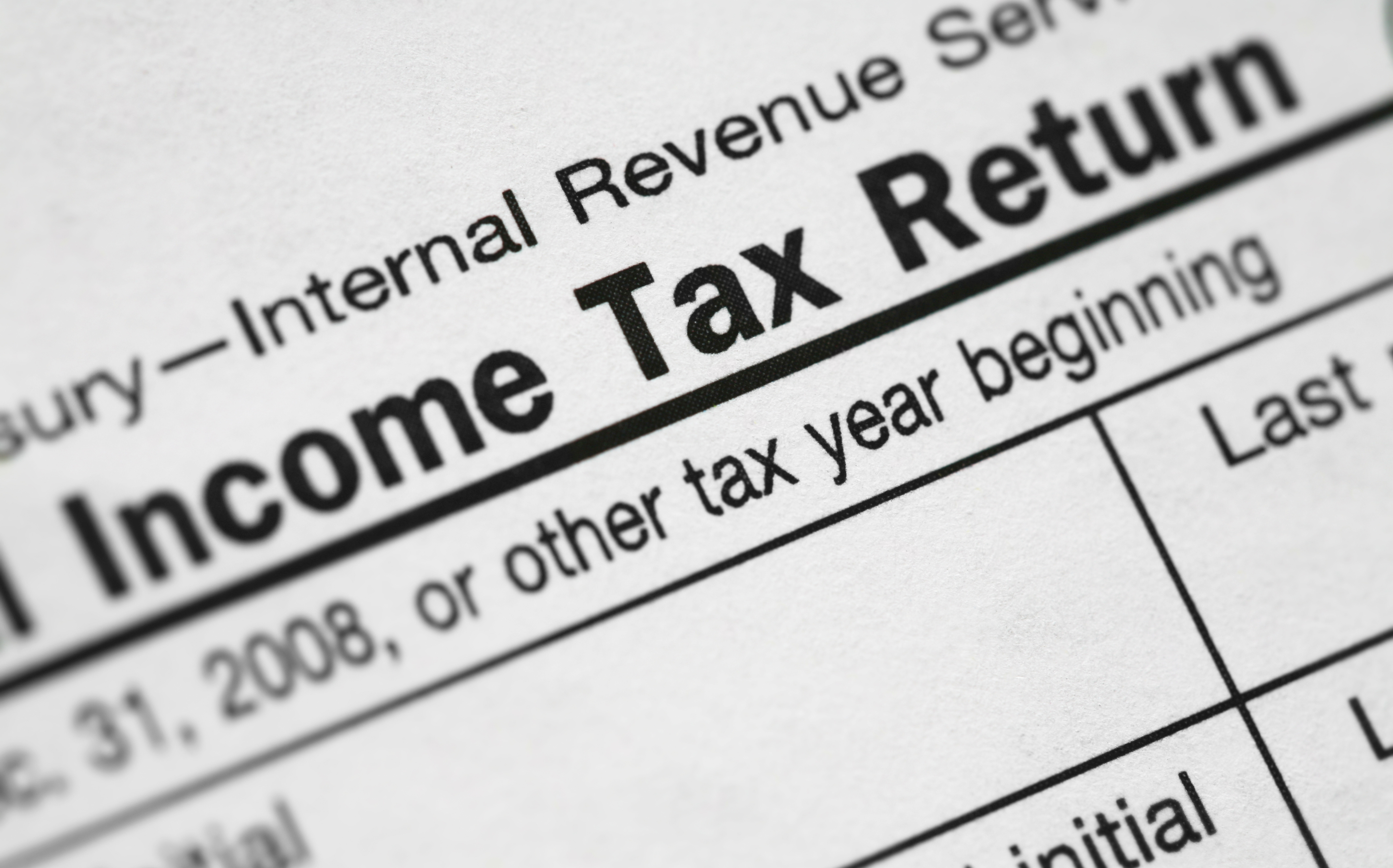
As a taxpayer, you are legally obligated to file a tax return annually with the Internal Revenue Service. The IRS periodically examines its records to determine whether taxpayers have met this requirement. If the IRS cannot locate your tax return from a given year, it will send a notice to inform you. This notice is called a CP59, and the IRS issues one if it receives information that you earned money but does not see a tax return filed.
If you receive IRS Notice CP59, remember there are options. Your first call should be to a New York tax attorney to ensure you receive the most favorable outcome. Contact Thorgood Law Firm today.
Never Ignore a Notice CP59
Once you receive a CP59 notice, you must act promptly. If you do not respond to the IRS, your situation can become far worse. Eventually, you may even be subject to criminal penalties for a failure to file tax returns. Therefore, unless you have only recently filed a tax return, you need to file some form of a response with the IRS, even if you have already filed your tax return.
You may have already filed your taxes, but you believe that somehow, your tax return got lost in the process. Still, you need to inform the IRS of this fact. Here, you will file a Form 15103, which informs the IRS that you have already filed your tax return for that particular year. You must include your personal information and the tax year at issue for the IRS’s reference. You will also file the Form 15103 with an explanation if you believe you did not have to file taxes for that specific year. You can also call the IRS to try to resolve the situation, but you should consider filing a written form, so you have a record that you tried to address the issue.
If you have not filed your taxes, you should submit a return immediately. The IRS will also want to know why you have not yet filed your tax returns, so you need to provide an explanation of the delay. If you owe taxes, you should pay them immediately. In addition to the amount of the back tax, you will also be responsible for paying interest and penalties on the amount you owe for late filing. You should keep copies of your return and proof of mailing to show that you have filed and paid your taxes.
The CP59 is based on the IRS’s search of its records when the notice is issued. It may be possible that the IRS sent one after you have already filed a tax return. For example, you may have already filed a tax return, although the IRS has not yet completed its processing. If you filed the tax return within eight weeks of receiving the notice, you do not have to do anything in response. However, you should continue to monitor the situation and see if the IRS eventually processes your return.
The Consequences for Failure to Respond
There can be harsh consequences if you do not respond when you receive the CP59 notice. The IRS already has access to your income data and the taxes you may have already paid. They can make their own calculations, which are called a Substitute for Return, where they may assess tax based on the information in its records. This amount can also include a substantial amount of interest and penalties.
Further, some credits and deductions may be limited in time and scope. You may lose the right to claim them if you wait too long to file your tax return, meaning you might end up owing the IRS more money.
In the meantime, taxes and penalties continue to accrue if you owe the IRS money. In addition to interest (which is currently about 7 percent per year), you can face steep penalties if you fail to file a tax return. The amount you owe the IRS can increase by 5 percent each month when you have not submitted a tax return. Every month you wait, you can end up owing a considerable amount of money. It is not uncommon for penalties and interest to be even larger than the underlying amount that you owe.
Criminal Penalties for Failure to File Taxes
The willful failure to file taxes is a misdemeanor under the Internal Revenue Code. If you intentionally have not filed a tax return, you might even face criminal charges that can result in up to a year in prison if you are convicted. The IRS may excuse a late tax return if it resulted from an oversight, but they can refer you for prosecution if you did not respond to a CP59 notice.
Negotiating with the IRS
You may not have filed taxes because you do not have the money to pay the IRS. Some solutions can help you manage your tax burden when you engage the IRS. However, you need to have all of your tax returns filed, so the IRS knows the exact amount of money you should owe.
Once you reach that point, you may be able to negotiate the total amount that you owe the IRS. You can make an offer in compromise that results in you paying less than the total amount owed. The IRS is also open to negotiating installment plans with taxpayers that allow you to file over time (although you may still be liable to pay interest and penalties).
Your tax lawyer can handle all negotiations and identify the best solutions to minimize your tax burden. These negotiations and communications with the IRS should always be in the hands of a trusted attorney.
Contact an Experienced New York Tax Attorney Today
If you are having tax issues with the IRS, you need immediate legal representation. Things will only get worse if you are not proactive. At Thorgood Law Firm, we have been helping taxpayers gain freedom from their tax problems since 1998. You can schedule a free case review by filling out an online contact form or by calling us today at 212-490-0704