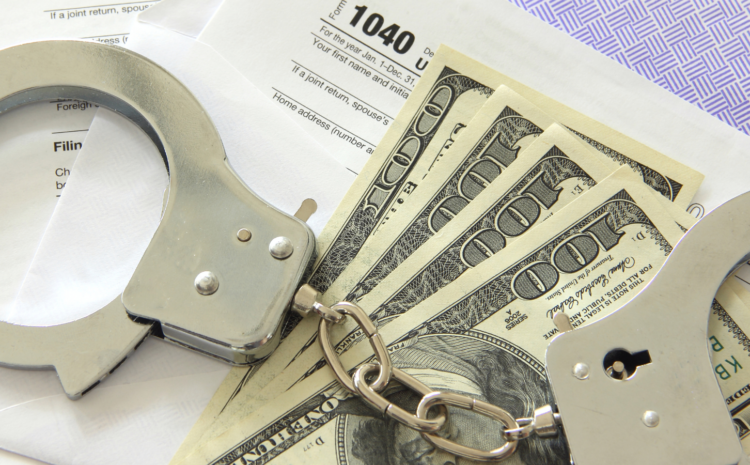
Paying taxes on time can be stressful for many people, and it becomes even more alarming when you hear that not paying your taxes might lead to jail time. However, is that really possible in New York? The answer depends on your situation, but a common reality is that you should discuss unpaid taxes with a New York tax lawyer as soon as possible to minimize your consequences.
What Could Lead to Jail Time for Not Paying Taxes?
In most situations, going to jail for failing to pay taxes is not very common. Typically, New York tries to resolve tax problems through fines, penalties, and payment plans. However, if the government believes you have purposefully chosen not to pay or attempted to hide your income, it can file criminal charges for tax evasion. Under New York law, tax evasion may be treated as a felony, which can include prison time if you are found guilty.
The key point is willful or intentional evasion. For instance, accidentally making a small mistake on your tax return is not the same as actively hiding large amounts of money. If your problems are due to genuine hardship or an honest mistake, the state will likely pursue civil penalties rather than criminal charges.
What Is Considered Tax Evasion in New York?
Tax evasion is when someone intentionally tries to avoid paying taxes that they owe. Common signs of tax evasion include:
- Failing to report all sources of income (like side jobs or cash payments).
- Creating fake documents or receipts to cover up real earnings.
- Claiming deductions or credits you are not allowed to take.
- Hiding money in secret bank accounts or under someone else’s name.
Tax evasion is different from simply not having enough money to pay. If you can show that you tried to pay or filed your taxes honestly, you are generally not guilty of evasion. On the other hand, if the government finds proof of deliberate wrongdoing, it may press criminal charges that could lead to jail time.
What Civil Penalties Can You Face for Unpaid Taxes in New York?
New York often addresses unpaid taxes or errors on tax returns with civil (non-criminal) penalties. These can include interest charges, late filing fees, and additional fines. The state can place liens on your property, garnish your wages, or even revoke certain professional licenses until you pay the outstanding taxes.
One important point to remember is that civil penalties can add up quickly. For example, if you miss the filing deadline or fail to pay by the due date, New York might charge a 10% penalty for the first month, plus another 1% for each extra month, up to 30% total. You will also have to pay interest on the unpaid taxes, which makes the overall debt grow even faster.
Can You Go to Jail for Failing to File a Return in New York?
Yes, failing to file a tax return can result in criminal charges if it is done willfully. In New York, not filing at all could be treated as a misdemeanor, which carries the possibility of up to one year in jail and a $100,000 fine.
However, the state usually reserves these harsh measures for cases where someone chooses not to file for several years or hides income on purpose. If you simply forgot to file one year but immediately fix the mistake, you are less likely to face criminal charges—though you still might owe civil penalties and interest.
How Severe Are the Criminal Penalties for Tax Evasion in New York?
The possible penalties for tax evasion in New York can be quite serious if the amount of taxes you failed to pay is large. Here is a quick look at how crimes of evasion might be classified:
- Tax Evasion of Over $3,000: Class E felony.
- Tax Evasion of Over $10,000: Class D felony.
- Tax Evasion of Over $50,000: Class C felony.
- Tax Evasion of Over $1,000,000: Class B felony, punishable by up to 25 years in prison.
Also, the federal government can charge you with tax evasion under federal laws, which come with their own set of penalties, including hefty fines and prison time. Because these laws are complex, it is a wise idea to seek professional help from a New York tax attorney if you find yourself facing large unpaid taxes or an audit.
Are There Other Factors That Influence Jail Time?
Yes. Whether you end up in jail depends on many factors, such as:
- The Amount Owed: Bigger debts often attract more scrutiny and can lead to harsher penalties.
- Intent: If there is proof you deliberately tried to hide income or avoid taxes, charges are more likely.
- Past History: Having a record of not paying taxes or filing late returns can raise red flags.
- Cooperation: How you behave once the state or IRS contacts you can make a big difference. People who cooperate or immediately try to fix the issue often get more lenient treatment.
Courts and tax authorities care a lot about whether a taxpayer has acted willfully. If they believe you have made an honest mistake, they are more likely to focus on collecting payment rather than pursuing criminal charges.
How Can You Avoid Criminal Charges?
Here are some basic tips for avoiding criminal charges:
- Always File, Even if You Cannot Pay: Filing is better than not filing. You may face civil penalties for late payment, but failing to file at all can lead to criminal issues.
- Keep Good Records: Keep your income statements, receipts, and important documents organized to prove your numbers are accurate.
- Ask for Extensions: If you need extra time, file for an extension before the deadline. This helps you avoid immediate late-filing penalties.
- Set Up Payment Plans: If you can’t pay everything at once, look into a payment plan or “installment agreement.”
- Seek Professional Help: A New York tax attorney or accountant can guide you through the filing and payment process.
These steps won’t necessarily solve every problem, but they do show you are trying to follow the law. This can make a big difference if the state or IRS examines your situation.
What If You Truly Cannot Afford to Pay Your Taxes?
Some people fall on hard times. Maybe you lost your job, suffered a health crisis, or your small business isn’t earning what it used to. If you genuinely cannot pay the taxes you owe, you still need to file your return on time. By doing so, you avoid failure-to-file penalties and show that you are not ignoring your obligations.
Once you have filed, you can look into options like installment agreements (which let you pay over time) or an offer in compromise (where you pay less than the total debt if you meet certain guidelines). These are legal ways to deal with tax debt that can stop the worst penalties from piling up.
Ready to Free Yourself from IRS Problems and New York State Tax Problems?
If you think you might owe taxes or you’ve received a notice from the government, don’t wait. Reach out to Thorgood Law Firm in New York today. We are here to offer guidance and peace of mind. Contact us online or call (212) 490-0704 or visit our website to set up a consultation with a New York tax attorney.